
MAY 2026
After a difficult March, share markets delivered a second consecutive month of gains. Global shares advanced again in May, driven by strong corporate earnings, growing confidence in artificial intelligence, and a 27% fall in oil prices as ceasefire talks in the Middle East gathered pace. Lower energy prices helped ease inflation concerns, supporting both share and bond markets. The US and emerging markets were the strongest performers, while Australian shares rose more modestly. Bond returns were also positive.
At the time of writing, the United States and Iran have announced a peace agreement with the Strait of Hormuz set to reopen following a formal signing on 19 June, oil has fallen further to around USD 83 per barrel, and the S&P 500 has reached a new all-time high.
Economic Conditions
The Reserve Bank of Australia increased rates again in May to 4.35%, the third consecutive increase. Consumer confidence fell during the month, and unemployment rose to 4.5%, a four-year high. Underlying inflation remains above the 2 to 3% target, though a cooling labour market may give the RBA reason to pause.
In the United States, inflation reached 3.8% in April, following its sharpest monthly increase in three years, with energy prices the largest driver. The Federal Reserve held rates steady, though its May meeting minutes showed a growing number of policymakers open to future increases if prices do not moderate.
Equities
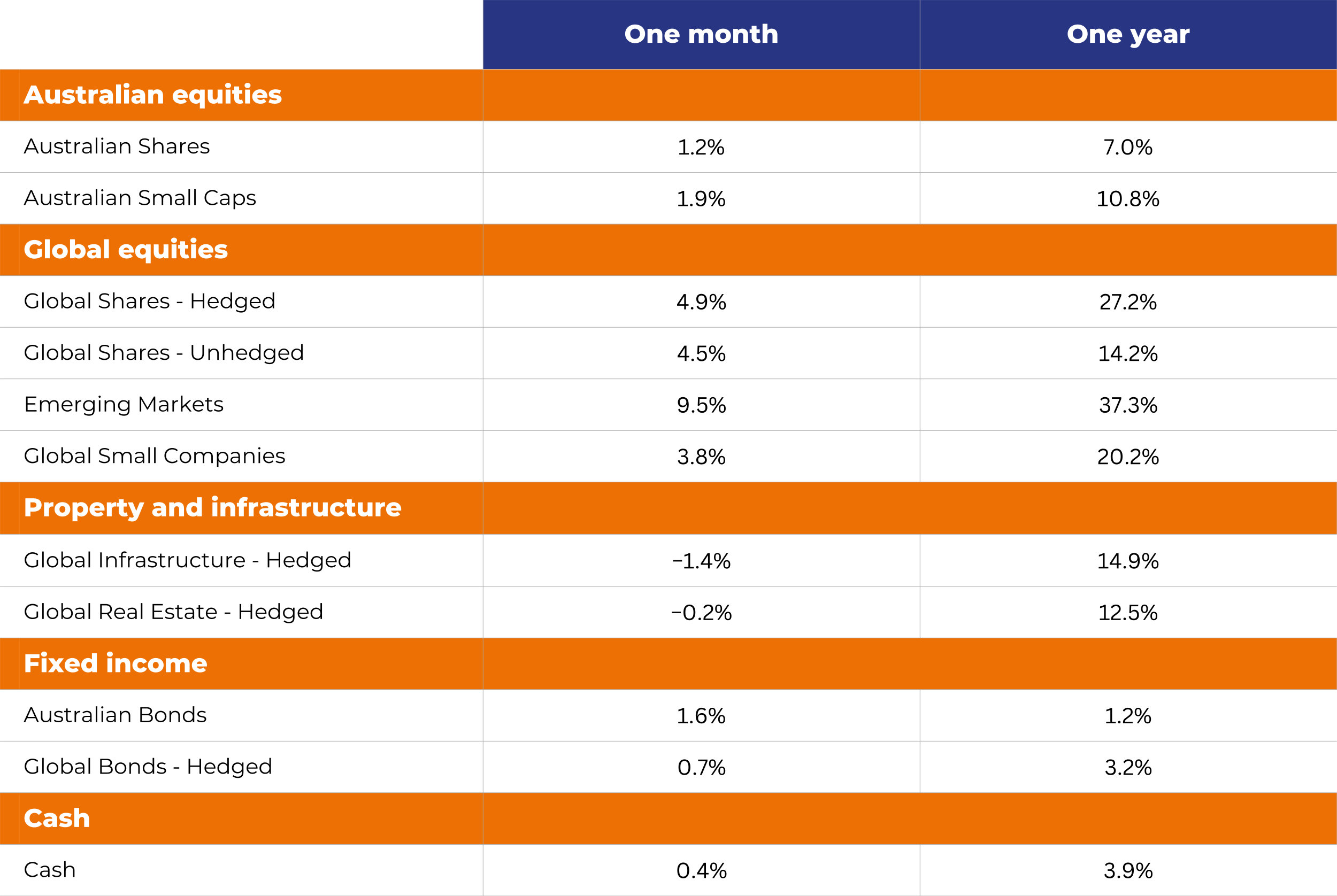
Global shares returned 4.9% for the month. The US led on the back of an impressive earnings season, with technology companies continuing to benefit from growing investment in artificial intelligence. Nvidia rose 6% on its results alone. Emerging markets gained 9.5%, with Asian technology manufacturers among the key beneficiaries.
Australian shares rose 1.2% but trailed overseas markets. Materials stocks surged 10.5% and consumer discretionary added 4.7%, while healthcare fell 9.2% and energy stocks lost ground. The ASX has less exposure to the technology sector than most major overseas indices, which weighed on relative returns during the month.
Australian small caps gained 1.9% and global small companies returned 3.8%, adding to a solid twelve months for smaller companies globally.
Fixed Interest
Australian bonds returned 1.6% for the month and global bonds returned 0.7%, as yields pulled back from their early-month highs.
With interest rates now considerably higher than they were just a few years ago, investors holding bonds and cash are earning more income than they were during the low-rate era.
Winners & Losers
Emerging markets equities gained 9.5% for the month and 37.3% over the year, as investors were drawn to the opportunities and growth potential of these economies. Global shares (hedged) posted a 27.2% one-year return, underpinned by the sustained strength of US markets, with the unhedged equivalent returning 14.2% over the same period reflecting the impact of currency movements over the year.
Global infrastructure and listed property both delivered negative returns over the month, following a strong April for both asset classes. Oil recorded its largest monthly decline since COVID-19 as ceasefire talks progressed.
Asset Class Returns – May 2026
A Changing Landscape
Markets have a way of moving faster than the headlines suggest. Inflation is still running above target, rates are higher than many borrowers would like, and the Middle East situation is not yet fully resolved. But after a difficult March, two consecutive months of gains and progress toward a peace agreement are an encouraging sign that conditions are improving.